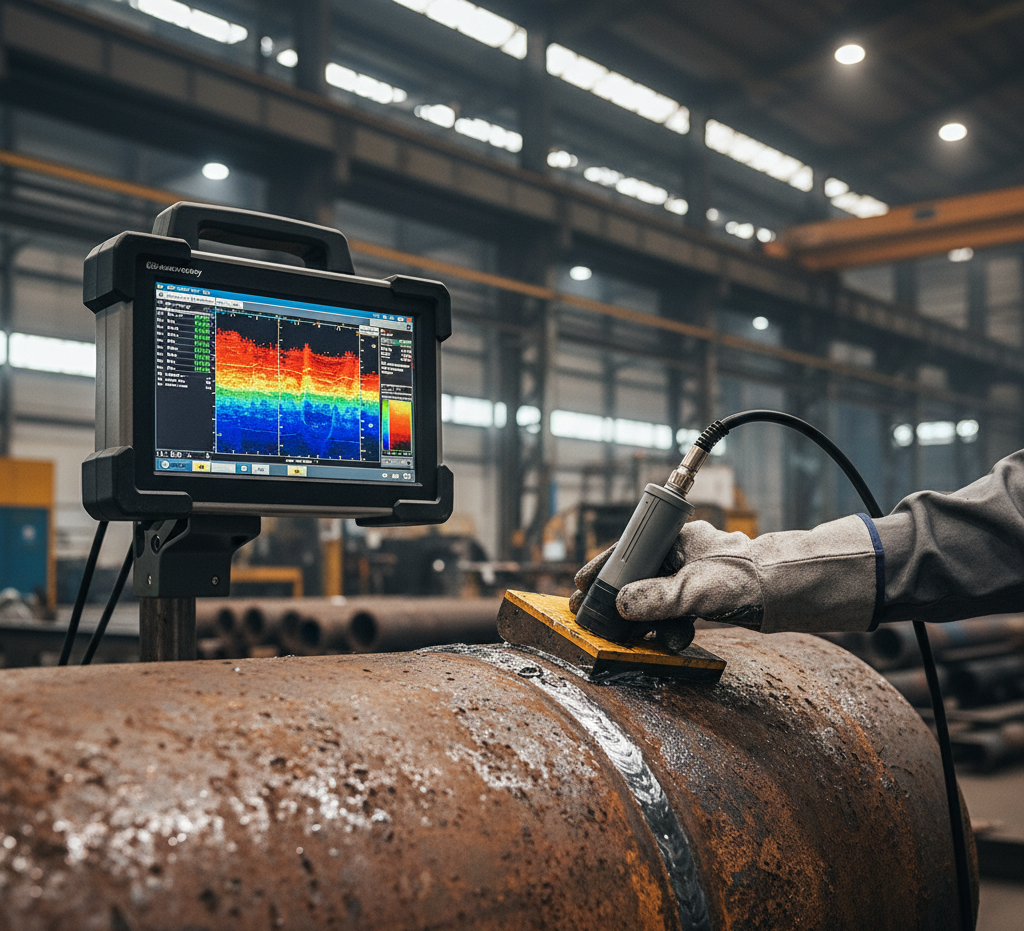
Corrosion inspection is an innovation for manufacturing
If you work in manufacturing, you know that corrosion isn’t just annoying; it’s a serious problem that may damage your products, hurt your earnings, and even hurt your reputation. Corrosion slowly breaks down materials, which can lead to expensive failures. It can happen to anything from metal pipes to car parts to industrial machines to consumer items.
It is where corrosion tests come in. It’s a technique to test your materials before they go out to the public. We’ll speak about why corrosion testing is so important, the different kinds of tests that manufacturers do, and how it may save you time, money, and headaches in the long run
What is the purpose of corrosion testing, anyway?
In short, corrosion testing is the process of seeing how materials react to elements that can make them break down, such as water, chemicals, heat, or even salty air. You could call it a “stress test” for metals and other things.
What does this mean? You want your items to last, stay safe, and make your customers pleased. Corrosion testing helps makers:
Find weak spots before they turn into huge ones.
Pick the correct materials and protective coatings.
Check that items meet safety and industry standards.
To put it simply, it’s about being proactive instead of reactive.
Why Testing for Corrosion is Important
Corrosion costs a lot. Experts in the field say that repairs, replacements, and downtime cost organizations billions of dollars every year. Not paying attention to it isn’t just unsafe; it may be really dangerous.
It is why testing for corrosion is so important:
It makes the product last longer
If a part rusts or breaks down too quickly, it can’t be used. Corrosion testing helps producers choose materials and coatings that can stand up to real-world conditions, such as salty highways in the winter or humid factory floors.
People are safe because of it
As well as being a pain, a rusty metal beam or pipe can cause bad things to happen. When we check corrosion materials, we know they are safe and reliable. It keeps customers and makers from being sued.
Testing by putting yourself in it
You can see how objects shift over time by putting them in acids, water, or chemicals. A lot of it happens in military gear and chemical tanks.
It gradually gets stronger over time
Stuff that doesn’t rust looks and works better over time. People will be pleased with that, and they will trust your brand more.
It Helps You Follow the Rules
Many fields, including automotive, aerospace, and oil and gas, have tight rules about how well things can withstand corrosion. Testing makes sure that everything is in order, which keeps you from getting penalties, recalls, or legal problems.
How to Test for Corrosion
There is more than one approach to check for corrosion. Different materials and fields need different ways of doing things. Some of the more common ways are:
Testing with Salt Spray
It is one of the most common ways. A mist with salt in it is sprayed on the materials to make them look like they’ve been corroded for years in a short amount of time. It’s fantastic for metal finishes, coatings, and car parts.
Testing using electricity
This method employs electric currents to determine how fast a material rusts. It works quite well and is widely used for batteries, metal alloys, and pipes.
Testing by immersion
You put materials in liquids like water, acids, or chemicals to examine how they change over time. It happens a lot in naval equipment and chemical tanks.
Testing for cyclic corrosion
This test simulates real-life situations by changing the humidity, temperature, and exposure to salt. It is more realistic than just a salt spray test and is often utilized in the aerospace and automotive industries.
Looking for signs of corrosion in the air
Things are left outdoors for weeks or months in locations where it rains, it is hot, and very dirty. Builds, bridges, and anything else that goes outside use it.
Types of Businesses That Need to Test for Corrosion
Almost every job that uses acids or metals needs to test for rust. These are some:
Automobile: Road salt, pollution, and very extreme temperatures are all things that cars have to deal with. Tests make sure that things like body panels and exhaust systems will last.
Aerospace: In the aerospace industry, planes have to deal with water, chemicals that melt ice, and extremely hazardous weather. They stay safe by being checked for rust.
Oil and gas: Pipelines, rigs, and storage tanks all work under tough conditions. Testing stops leaks and problems.
Marine: Ships, ports, and offshore rigs are always in contact with saltwater. They are safe because of corrosion testing.
Construction: Buildings, bridges, and industrial tools all need to be able to endure bad weather. Things last longer when they’ve been tested.
Pros of Checking for Corrosion
It’s worth the money to pay for corrosion tests in several ways:
Avoids expensive fixes or product recalls, which keeps costs low.
Customers trust goods that work well and last a long time.
Finds the best finishes and materials to help novel concepts grow.
Making something last longer helps the earth and cuts down on waste.
How to Choose the Best Corrosion Testing Partner
How reliable the results are will depend on the lab or partner you work with. Look for:
Labs that have been acknowledged by ASTM, ISO, or NACE
Know-how in your field
Modern tools that work well
Reports with lots of information to help you reach smart decisions
Tests aren’t just a box to be checked; an excellent collaborator makes sure they make your products better.
Final Words
In reality, corrosion testing is more about keeping your goods, your customers, and your image safe than it is about science. You can quickly find problems, pick out the right materials, and make things that will last.
In the business world of today, being strong and dependable is the most important thing. Testing for corrosion is very important for manufacturers because it saves them money, lowers risks, and gives customers things they can trust.
Inspection for rust is necessary if you want your things to last. It’s necessary.